
BLS stands for Basic Life Support — a required certification for healthcare providers and first responders. It provides essential training in CPR, AED use, and airway management to handle cardiac arrest and respiratory emergencies. This article will explain what BLS certification is, what it entails, why it matters, and who needs it.
Quick Facts
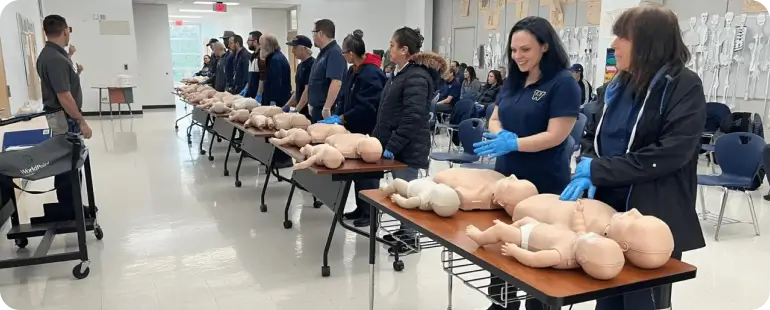
- BLS certification is designed for healthcare professionals and covers advanced life-saving skills, including CPR, airway management, and critical thinking.
- To earn BLS certification, you must complete an accredited course, study core materials, and pass both a written exam and a hands-on skills test.
- The certification must be renewed every two years to stay up-to-date with the latest emergency response protocols.
What is Basic Life Support (BLS) Certification
Basic Life Support (BLS) certification is a professional credential that confirms you’ve been trained to respond to life-threatening emergencies. BLS training covers a range of essential skills, including high-quality CPR, AED use, and airway management — all critical for handling cardiac arrest and respiratory failure.
What makes BLS certification essential for healthcare providers and first responders is its comprehensive approach. It prepares you to deliver care to adults, children, and infants across various emergency scenarios — ensuring you’re confident and ready when seconds count.
BLS vs CPR Certification
While both BLS and CPR certifications teach life saving skills, there are big differences between the two. BLS certification is for healthcare professionals and first responders, to meet the competency requirements of their roles. CPR certification is for the public, to teach basic CPR skills.
BLS training goes beyond basic CPR by including comprehensive skills for respiratory distress and airway obstruction. It also emphasizes critical thinking, problem solving and teamwork – skills essential for effective emergency response but not covered in standard CPR training. That’s why BLS certification is a more advanced and holistic training program.
In short, while both certifications are good, BLS stands out for its scope and focus on healthcare settings, making it a requirement for medical professionals and first responders.
Who needs BLS Certification?BLS certification is required for:
-
Doctors
-
Nurses
-
EMTs
-
Paramedics
These individuals are often at the front lines of emergency care and having BLS certification means they are equipped to handle life threatening situations. First responders like police officers and firefighters also benefit from BLS certification to respond quickly to emergencies like cardiac arrest or respiratory failure.
Child care providers and law enforcement officers working in public safety roles are also encouraged to get BLS certified to enhance their emergency preparedness. In essence, anyone involved in patient care or emergency response can benefit greatly from being trained in BLS so they are ready to act when every second counts.
How to Get BLS Certified
Getting BLS certified involves a series of steps to ensure comprehensive training and competence. The process starts with finding an accredited course, enrolling and studying the course materials and ends with taking the BLS exam.
Whether you choose an online course or in-person class, each step of the education classes is crucial in preparing you to handle real life emergencies with confidence as an instructor.
Finding an Accredited Course
Choosing the right BLS certification course is key to quality training. Reputable organizations like the American Heart Association (AHA) and the American Red Cross offer accredited courses that follow the latest resuscitation guidelines. These organizations offer both in-person and online courses so you can choose the format that suits your schedule and learning style.
Accreditation means the BLS courses are developed under expert guidance and meet high standards of training. Completing an accredited course not only prepares you for the BLS exam but also gives you a recognized certification that is accepted by employers and licensing bodies.
Enrolling and Studying Course Materials
Enrolling in a BLS course usually involves registering online or at a training center, after which you will receive access to course materials, including a digital participant’s manual. These materials are designed to provide comprehensive knowledge and are often accompanied by interactive modules and videos for a more engaging learning experience. Many training centers also offer BLS classes to further enhance your skills. You can study for the BLS course at your own pace, especially with online and blended learning options. Hands-on training sessions are essential to hone your practical skills for emergency situations so you are well-prepared for both the written and practical parts of the BLS exam.
BLS Exam
The BLS exam is a critical step to get certified and consists of both a written assessment and a practical skills demonstration. The written part tests your knowledge of the theoretical concepts while the practical skills test evaluates your ability to do CPR, use an AED and manage airways.
Many candidates use practice exams and online study guides to reinforce course material and build confidence for the exam. Passing the BLS exam means you are competent in basic life support skills and get the certification to save lives in critical situations.
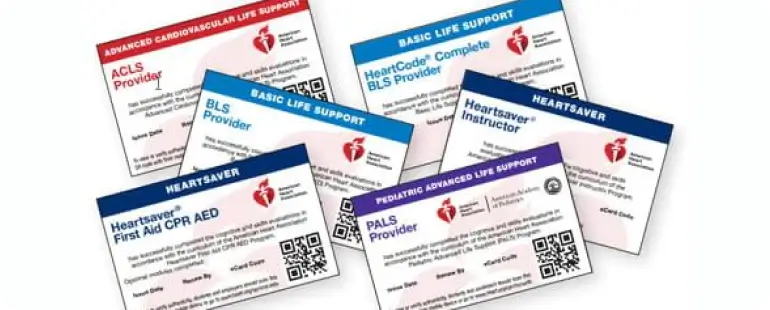
Passing both parts of the exam is required for certification and upon successful completion you will receive a certificate card as proof of your credentials which is often required by employers and licensing bodies.
BLS Renewal and Recertification
BLS certification is valid for 2 years after which it needs to be renewed to ensure individuals remain proficient in their skills. Renewal usually involves:
-
Taking a BLS recertification course which may be shorter than the initial training if your certification is still valid or close to expiration.
-
Updating protocols.
-
Reinforcing key skills.
Staying current with BLS certification is important especially with evolving guidelines and new developments like COVID-19 protocols. Recertification means you are always ready to provide the highest level of care in emergencies and maintain your readiness and competence.
Benefits of Being BLS Certified
Being BLS certified has many advantages from enhanced emergency response skills to better career prospects in the medical field. The comprehensive training provided by BLS certification gives individuals advanced life-saving techniques making them valuable assets in any healthcare setting.
Enhanced Emergency Response Skills
BLS training improves your ability to respond in emergencies. The training emphasizes:
-
Physical skills like high quality chest compressions and rescue breaths
-
Critical thinking
-
Problem-solving
-
Teamwork
These basic skills are crucial in managing cardiac emergencies, choking incidents, and drowning situations where immediate intervention can save lives using life-saving techniques. BLS programs provide practical and cognitive training that enables individuals to respond effectively in such emergencies.
Career Opportunities
Getting BLS certified can unlock new career opportunities in healthcare and public safety. Whether you’re a nurse, physical therapist, or police officer, listing BLS certification on your resume shows employers that you’re ready to deliver high-quality care in critical situations.
In today’s competitive job market, this credential sets you apart and strengthens your qualifications for roles that require emergency response readiness.
Training Beyond CPR
BLS certification goes beyond basic CPR by including advanced life saving techniques like AED use and emergency response strategies. This comprehensive training is beneficial for healthcare providers, first responders and public safety personnel who often encounter various medical emergencies including BLS CPR for healthcare.
The advanced skills covered in BLS training are critical in hospitals, clinics and other emergency settings so certified individuals can deliver prompt and effective care that can make a big difference in patient outcomes.
Flexible BLS Certification Options
Flexible BLS certification options make it accessible to many individuals. Online BLS certification courses offer:
-
Self-paced, interactive instruction
-
Accessible from any device so learners can study at their own convenience
-
Adaptive learning functionality to cater to different learning styles BLS certification online.
The American Red Cross offers a blended learning format that combines online coursework with in-person skills demonstrations so learners get both theoretical knowledge and practical hands-on training. This flexible approach accommodates busy schedules while meeting professional licensing requirements.
Practical Applications of BLS Skills
BLS training gives individuals the skills to respond effectively during medical emergencies and improve patient outcomes. Whether in a hospital, clinic or public setting, being BLS certified gives you confidence and ensures you can provide immediate and effective care.
The practical applications of BLS skills go beyond individual competence, promotes teamwork and collaboration essential for emergency care. By taking BLS training you develop critical thinking skills and advanced techniques like using AEDs and managing airways which are vital in saving lives during emergencies.
Summary
In summary BLS certification is a must have for anyone involved in patient care or emergency response. The training gives individuals comprehensive life saving skills, enhances emergency response capabilities and opens doors to career advancement opportunities. By staying current with BLS certification you ensure you are always ready to provide the highest level of care in emergencies.
We hope this guide has given you a clear understanding of what BLS certification is and the benefits it offers. Remember being BLS certified not only boosts your professional qualifications but also empowers you to make a real difference in critical situations.
FAQs
Who needs BLS certification?
BLS certification is required for healthcare professionals, first responders and individuals in public safety roles to manage life threatening emergencies.
What is the difference between BLS and CPR certification?
The difference between BLS and CPR certification is that BLS is for healthcare professionals and includes advanced techniques whereas CPR certification is for the general public and focuses on basic CPR skills. This ensures each certification meets the specific needs of its intended audience.
How do I find an accredited BLS certification course?
To find an accredited BLS certification course enroll in programs offered by reputable organizations such as the American Heart Association or the American Red Cross which offer in-person and online options.
How do I renew my BLS certification?
To renew your BLS certification, complete a recertification course every 2 years; the course duration may be shorter if your current certification is still valid or nearing expiration.
What are the benefits of being BLS certified?
Being BLS certified enhances your emergency response skills and improves your career prospects making you a valuable asset in any healthcare setting. This comprehensive training goes beyond basic CPR and gives you critical life saving techniques.


