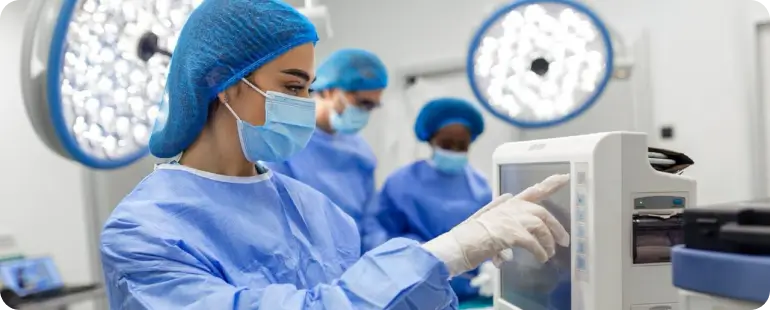
A cardiac lab tech, short for cardiac catheterization laboratory technologist, helps cardiologists diagnose and treat heart conditions. So what is a lab tech? They do things like monitor vital signs, operate specialized imaging equipment and patient education. This guide will cover their responsibilities, training and career prospects.

Key Points
- Cath lab techs play a big role in assisting cardiologists with diagnostic and therapeutic cardiovascular procedures, patient education and care.
- Key duties include patient prep for procedures, hemodynamic monitoring and assisting with various cardiac catheterization techniques.
- Career advancement opportunities abound through specializations, RCIS certification and active participation in professional organizations and a good job outlook in the healthcare industry.
What is a Cath Lab Tech
Cath lab techs are the backbone of the cardiac cath lab, they are the cardiologist’s right hand. These skilled individuals are involved in both diagnostic and interventional cardiovascular procedures and have a big impact on patient care and outcomes. Their many roles include cardiac catheter lab technician, technologist for cardiac catheterization labs and cardiovascular technicians.
Educating patients is one of the biggest responsibilities of those in the lab. Lab techs explain to patients various aspects of heart conditions and the medical interventions they will go through. This educational component is crucial in calming patients and getting informed consent before any procedure happens. To achieve this requires great communication skills and a deep knowledge in cardiology.
They do EKG’s and support stress test evaluations to assess cardiac health issues within their patient base and carefully monitor each individual over time makes them a vital team player in today’s practices centered around providing optimal cardiovascular care services.Providers offer extra help.

Key Duties of Cath Lab Technicians
Cath lab techs play a big role in the cardiac cath lab, they do many key tasks that keeps it running smoothly. They are instrumental in preparing patients for invasive cardiac procedures by explaining what will happen, answering any questions they may have and making sure they feel comfortable and relaxed. This duty can’t be overstated as it can impact the patient’s overall experience and outcome.During cardiac catheterization procedures cardiac lab technicians do hemodynamic monitoring and abnormal heart rhythm detection. These tasks require intense focus and skill as technicians must closely monitor patients’ vital signs and cardiac rhythms continuously. They must be able to recognize any irregularities so they can alert cardiologists immediately.
These techs support many cardiovascular interventions within the cath lab – from angioplasties and stent placements to electrophysiology studies which fall under broader cath lab activities. They are involved in all diagnostic or therapeutic processes. Not only do they operate complex imaging equipment but also assist with precise catheter placement during procedures making sure every step is done according to safety standards and optimal results for patients.
Specializations
The science lab technology field has many subfields each with its own focus and responsibilities. Within electrophysiology technicians identify and manage arrhythmias by performing tests and interventions that require deep knowledge of the heart’s electrical system.
In interventional radiology technologists use imaging as a navigation tool during minimally invasive treatments for vascular conditions. These procedures often use advanced imaging techniques to map out blood vessels and aid in stent placement or other therapeutic measures. The technical skills required in this area are highly respected across medical professions.
Specialists in vascular interventional radiography have expertise in performing sterile procedures focused on treating individual blood vessels as well as the overall cardiovascular system through advanced technologies under invasive cardiology. Cardiac lab technicians support open-heart surgeries or pacemaker implantations among their many tasks in invasive cardiology. Part of their role is equipment maintenance critical for these interventions which is often supplemented by skilled cardiovascular technologists.
Education and Training
To become a cardiac lab tech one must lay the educational foundation with an associate degree in cardiovascular technology or related field. Such programs typically include coursework in medical terminology, human anatomy and equipment operation to equip students with the technical skills needed to succeed in the lab.Before taking the Registered Cardiovascular Invasive Specialist (RCIS) exam—a certification that boosts employability and career advancement—candidates must have a high school diploma and meet specific education or experience requirements. The RCIS certification proves lab techs have the knowledge and skills to do their job well.
Cat lab techs looking to upskill might consider additional training opportunities. Many certificate programs allow individuals to use already earned academic credits towards Learning so professionals can add to their education without starting from scratch. Continuing education is important not only to stay current in cardiovascular technology but also to complete a certificate program to advance in this specialized field.
Certification and Licensure
Getting certified and licensed is a big part of being a lab tech. The RCIS (Registered Cardiovascular Invasive Specialist) certification by Cardiovascular Credentialing International is the industry’s recognized credential. To get this credential candidates must pass an exam that costs $365 and has 170 questions. They must score at least 650 out of 900 to pass. Having this certification means a technician is knowledgeable and committed to their field.
Lab techs are allowed multiple attempts to pass the RCIS exam if needed with a 45 day waiting period between attempts. This gives candidates enough time to meet the certification requirements. For those who have it, maintaining one’s status means adhering to renewal guidelines every three years which involves meeting certain educational requirements.
For those renewing their RCIS for the first time after initial accreditation completion will be charged $165 but will not be required CEUs on that occasion alone. Each subsequent period requires at least thirty-six CEUs triennially for renewal purposes – hence all certified lab techs are continuously equipped with current knowledge and industry advancements while ensuring excellent patient care through license retention policies.
Skills to be a Cath Lab Tech
A good lab tech must have a combination of technical and interpersonal skills. Proficiency in cardiac catheterization is key as these techs operate complex imaging equipment and aid complex medical procedures. Essential technical skills include monitoring patient vitals effectively, identifying cardiac arrhythmias accurately and having in-depth knowledge of the cardiovascular system.Soft skills are just as important in this role. Good communication is key to educating patients about their procedures and working with the healthcare team. Being empathetic to patients, remaining calm under pressure and supporting family members during cardiac procedures are essential traits that create a reassuring environment for patients and smooth lab operation.
Attention to detail and problem-solving skills are valuable assets for lab techs. The ability to make quick decisions when emergencies arise is crucial in patient outcomes. By combining technical proficiency with empathetic interpersonal skills one is a good lab tech.
Career Advancement
Career progression as a lab tech is full of opportunities to climb the career ladder. Gaining skills in areas like electrophysiology or interventional radiology can lead to more focused roles and seamless movement within these related fields. The experience gained in the lab is a good foundation to move into other roles in medicine and has many options for upward mobility.
Getting certified like RCIS can boost employment opportunities and income. Joining industry organizations—for example, Society for Cardiovascular Angiography and Interventions—can provide networks and tools to advance one’s career. These organizations offer ongoing education, professional growth and forums to share experiences and stories.
Cath lab techs see median annual salary of $63,020 but this range from $33,950 to $102,000 depending on location. Those in Idaho or District of Columbia or Rhode Island tend to earn higher salaries which mirrors their higher cost of living. Cath lab techs who travel frequently earn between $1,800 – $3,000 per week given their high paying assignments and are one of the highest paid professionals in the field.
Being calm under pressure and clear headed in urgent situations is valuable amongst cath 11a etc’s Developing these skills alone. With continuous education promotional circles will open up more professional opportunities. And higher job satisfaction For those passionate about heart-health care engineering offers lifelong careers.
Work Environment and Job Outlook
Cath lab techs work in hospitals, medical laboratories and clinics mostly full time. They work in fast paced and sometimes high pressure environments especially in cardiac focused catheterization labs. In these dynamic work environments lab techs need to be versatile and think on their feet to ensure procedures run smoothly and patient safety.
The job outlook for lab techs is expected to grow 10% in the next 10 years according to labor statistics. This is due to the rise of heart disease and the ongoing need for competent professionals to perform cardiovascular diagnostic and therapeutic interventions. As demand increases for skilled lab technicians those entering this field can expect plenty of job opportunities and career stability.
For those considering a career in healthcare becoming a lab technician is a rewarding experience not only because of the positive job outlook but also because it contributes to patient care outcomes. The profession’s impact on individual health and opportunities for advancement makes it attractive to prospective healthcare workers.
Summary
In summary the role of a lab tech is challenging and rewarding. From assisting in life saving cardiac procedures to patient education and support these professionals are the backbone of cardiovascular care. With the right education, certification and skill set a career as a lab tech offers many opportunities for growth and specialization. For those who want to make a difference in patients’ lives this career path is worth considering.
FAQs
What are the educational requirements to become a cath lab tech?
To become a cardiac lab tech you typically need an associate degree in cardiovascular technology or related field and courses in medical terminology and human anatomy.
This foundation is key to success in the role.
How much does the RCIS certification exam cost and what does it entail?
The RCIS certification exam costs $365 and has 170 questions and a minimum passing score of 650 out of 900.
What are the main responsibilities of a cath lab tech?
The main responsibilities of a cardiac lab tech are to prepare patients for procedures, perform hemodynamic monitoring, assist with angioplasties and stent placements, and do EKG and stress tests.
These tasks are critical to the operation of the cath lab and patient care.Cath lab techs can advance their career by developing skills in electrophysiology or interventional radiology, getting certified like RCIS and joining industry organizations.
These are proactive steps that will boost their professional growth and career path.
What is the job outlook for cath lab techs?
The job outlook for cardiac lab techs is good, 10% growth in the next 10 years due to heart disease.


