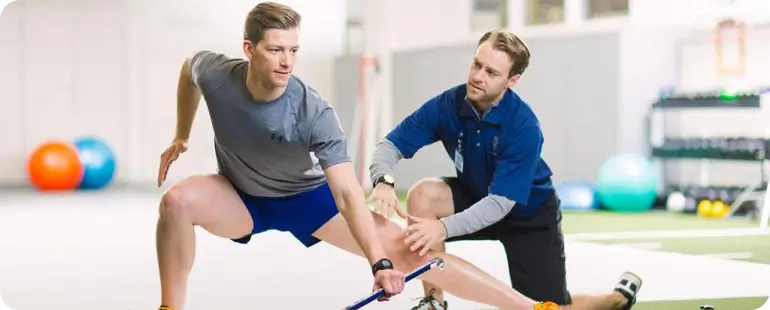
SCS certification in physical therapy means advanced expertise in sports physical therapy. This guide covers eligibility, prep and career benefits for SCS Certification Physical Therapy. Learn how to get this respected credential and boost your career.
Takeaways
- SCS certification in physical therapy increases professional credibility and opens up sports therapy career opportunities.
- Candidates must meet specific eligibility criteria including having a valid physical therapy license and a minimum of direct patient care hours in sports settings.
- Getting and maintaining SCS certification requires intense exam prep and ongoing education including 30 MOSC credits within 10 years.
What is SCS Certification in Physical Therapy
SCS certification is the gold standard in sports physical therapy. It proves a physical therapist’s competence in sports injuries and increases their professional credibility. This certification means a therapist is committed to certified and ongoing education in sports therapy.
Specialization through SCS certification identifies experts in physical therapy and requires extra training. This conditioning specialist certification recognizes therapists as experts among their peers. This is incredibly rewarding professionally and personally as it sets you apart in a competitive field.
SCS certified therapists are sought after by sports organizations to manage athlete health and performance. SCS certification opens up many career opportunities such as working with local sports teams, being the medical provider at events or treating professional athletes.
The focus of sports physical therapy is prevention, treatment, rehabilitation and education of individuals. Whether amateur or professional athletes, the goal is to enhance performance and prevent injury. Specializing in this field makes you part of the athletic community contributing to the overall well-being and success of athletes.
Eligibility Criteria for SCS Certification
Candidates must meet the eligibility criteria set by the ABPTS Specialty Panel to be eligible for SCS certification. Primarily a valid physical therapy license is required to apply for SCS certification, so only licensed professionals can pursue this advanced credential.
Applicants must also have current CPR certification so they are prepared to respond to emergencies during sports events as an emergency medical responder. Candidates must submit proof of direct patient care experience in sports physical therapy, demonstrating hands on experience in the field.
Specialists must submit proof of unrestricted licensure and 200 hours of direct patient care in their specialty area every 3 years to maintain sports specialist certification examination, so they stay current in sports physical therapy.
How to Get SCS Certified
There are two ways to get SCS certified: direct patient care hours or an accredited sports residency program. The first way is to accumulate 2,000 hours of direct patient care within 10 years with at least 500 of those hours within the last 3 years. This route offers flexibility in location and pace of learning making it a popular choice for many therapists.
The second way is to complete an accredited sports residency program. These programs provide structured, intensive education in sports physical therapy often including mentorship and specialized clinical experience. This route is ideal for those who want a more immersive educational experience and direct mentorship opportunities.
Athletic venue coverage is essential for the direct patient care hours for SCS certification. This real world experience in sports settings prepares you to handle the unique challenges and demands of working with athletes and improving athletic performance. Diverse clinical experience is key to success whether through the residency or non-residency route.
Preparing for the SCS Exam
Preparing for the SCS exam requires dedication and strategy. Utilizing exam prep materials from specific academies can help you study more efficiently. These materials cover the advanced knowledge needed for the exam and provide a comprehensive review of key concepts.
Review courses from specialty academies can provide targeted guidance in advanced clinical knowledge practice areas. These online courses are designed for the SCS exam and can help you focus on the most critical topics. Accessing an examination tutorial can also familiarize you with the test format and reduce anxiety on exam day.
Testing yourself with small sets of material can boost retention. A well planned study schedule with specific times for review and self-testing is key to success. Consistency and dedication will be your friends in this journey.
Taking the SCS Exam
The SCS exam is a tough test that assesses your advanced knowledge and clinical reasoning skills. Here are the details:
-
Duration: 6 hours
-
Sections: 4, each 90 minutes
-
Questions: 200 multiple choice questions per section
-
Prep time: 4-6 months
-
Study time: 10-20 hours a week
On exam day:
-
Bring a government issued ID with photo and signature for verification.
-
Do not bring personal items like food and electronic devices into the testing area.
-
You cannot go back to a section after you finish it.Being prepared and knowing the exam logistics will help you avoid last minute surprises.
If you need to reschedule your exam you can defer it to the next year through your online application but a fee and conditions apply. The passing score for the SCS exam is around 60% so thorough preparation is key. Taking a review course and sticking to a study schedule can increase your chances of success.
Post Exam Steps
Once you’ve completed the certification exam the waiting game begins. Initial certification results will be available by June 30 and you will receive your exam scores via email by this date. This quick feedback will allow you to move forward with your career plans.
If you don’t pass the exam you can retake it in subsequent years. This way you have multiple opportunities to achieve your goal of becoming an SCS certified therapist. Review your scores and understand where you need to improve to better prepare for your next attempt.
The scores will be reviewed. They will be released on June 15th and will be pass/fail. This clear system will let you know exactly where you are and what to do next. Pass on your first attempt or need to try again the journey to SCS certification is a valuable learning experience.
Maintaining Your SCS Certification
Maintaining SCS certification means ongoing competence and professional development. The certification is for 10 years and requires recertification to stay current. Specialists must complete 30 MOSC credits and sit for a 100 question exam during recertification.
In years 3, 6 and 9 specialists must submit a reflective portfolio as part of the ongoing education requirements, keeping them engaged with the latest developments and continually improving their skills and knowledge.
The testing and ongoing education ensures therapists stay up to date with the latest in sports medicine.
Career Opportunities with SCS Certification
SCS certification can open up many career opportunities in sports rehabilitation and athletic training. Specializing in sports physical therapy can make you a desirable candidate for various job roles from working with sports teams to managing rehabilitation centers.
Getting a specialty certification can boost your professional credibility and job satisfaction. SCS certified physical therapists are seen as experts and will elevate their professional reputation and open doors to advanced career opportunities.
SCS certification can lead to pay raises and increased earning potential so it’s a valuable asset for career advancement in many fields.
Benefits and Drawbacks of SCS Certification
The average salary for a Physical Therapist with an SCS certification is around $83,000 per year. Certified Sports Clinical Specialists can earn between $71,000 and $96,000 depending on experience and job role. Career advancement opportunities for SCS certified specialists include Clinical Director and Rehabilitation Director roles which often come with higher salary potential.
Challenges include the exam cost, time commitment for study and preparation and lack of awareness about the certification in the medical community. But the benefits of career advancement and financial rewards often outweigh the drawbacks.
Maintaining SCS certification involves ongoing professional development activities related to sports physical therapy so you stay current. Fees for maintaining certification vary by membership status with APTA members paying lower fees than nonmembers.
Related Certifications for Physical Therapists
The American Board of Physical Therapy Specialties offers certification in ten different areas including Orthopedics and Neurology. These certifications give therapists options to specialize and focus on specific areas of practice based on their interests and career goals.
Related certifications for physical therapists include Orthopaedic Clinical Specialist (OCS), Geriatric Clinical Specialist (GCS) and Pediatric Clinical Specialist (PCS). Each focuses on a different aspect of physical therapy so therapists can expand their expertise and career options.
Clinical specialists include:
-
Geriatric Clinical Specialists: Focus on rehabilitation for older adults, treating specific injuries and pain common in this population.
-
Pediatric Clinical Specialists: Specialize in treating infants and children with conditions like cerebral palsy and cystic fibrosis.
-
Neurologic Clinical Specialist: Trained to treat patients with neurological injuries, diseases or disorders, alongside an electrophysiologic clinical specialist and in the field of clinical electrophysiology, emphasizing the importance of clinical practice.
Having multiple certifications and other certifications can broaden your scope of practice and professional credibility.
Conclusion
In summary, becoming SCS certified is a big deal in a physical therapist’s career. It confirms your expertise in sports physical therapy, boosts your professional credibility and opens doors to exciting career opportunities. By knowing the eligibility criteria, choosing the right pathway and preparing well for the exam you can achieve this prestigious certification.Becoming SCS certified may be tough but the rewards are worth it. From increased job satisfaction to financial benefits and professional recognition becoming a Sports Clinical Specialist can take your career to new heights. Go for your passion for sports physical therapy and unlock the world of opportunities with SCS certification.
FAQs
What are the basic requirements for SCS certification?
To be eligible for SCS certification you must have a valid physical therapy license, current CPR certification and evidence of direct patient care experience in sports physical therapy. Meeting these requirements is a must for your application.
What are the two ways to achieve SCS certification?
You can achieve SCS certification by accumulating 2,000 hours of direct patient care within 10 years or completing an accredited sports residency program. Choose the pathway that suits your career goals and experiences.
How long is SCS certification valid and what are the recertification requirements?
SCS certification is valid for 10 years and requires specialists to accumulate 30 MOSC credits, submit reflective portfolios in years 3, 6 and 9 and pass a 100 question recertification exam to maintain their certification.
What are the career opportunities for SCS certified physical therapists?
SCS certified physical therapists have many career opportunities in sports rehabilitation, athletic training and leadership roles like Clinical Director and Rehabilitation Director. Their specialized skills make them highly sought after in sports organizations and among professional athletes.
What are the benefits and challenges of getting SCS certification?
The benefits of getting SCS certification are career advancement, financial rewards and professional recognition. But candidates may face challenges like exam cost, time commitment and lack of awareness about the certification in the medical community.


