If you’re thinking about a career in physical therapy, getting a physical therapy degree is the first step. This will cover everything you need to know, from education requirements to admission criteria and licensure. Let’s break down the path to becoming a physical therapist.

Quick Facts
- To practice as a physical therapist in the US, you need to get a Doctor of Physical Therapy (DPT) degree from an accredited program for licensure.
- Steps to get a DPT include completing a bachelor’s degree with prerequisite courses, choosing the right DPT program and meeting competitive admission criteria including clinical experience.
- Job outlook for physical therapists is strong with a 14% growth by 2033, lots of opportunities in various healthcare settings.
What is a Physical Therapy Degree
Physical therapists are part of the healthcare team, dedicated to long term wellness for patients by developing individualized treatment plans. Ranked as the 3rd health profession by US News and World Report, these specialists have a deep understanding of how to assess and treat movement impairments across the lifespan. Working with other professionals in the medical team, physical therapists ensure each patient gets an integrated approach to their care.
To practice physical therapy in the US, you must get a Doctor of Physical Therapy (DPT) degree from an accredited institution. This degree not only gives you the skills to support patients with a wide range of health issues but also is required for licensure. If you want to be a physical therapist, understanding the value of this degree and what it entails is a big step to success in this rewarding field.
Education Pathway to Become a Physical Therapist
To become a physical therapist there are several steps and prerequisites to meet. The process includes:
- Get a Bachelor’s Degree: You need to get an undergraduate degree before you can apply to a Doctor of Physical Therapy (DPT) program.
- Choose a DPT Program: Do your research to find a DPT program that fits your career goals and interests.
- Meet Admission Requirements: You need to meet high academic standards and get relevant clinical experience before admission.These steps are crucial in producing competent physical therapists with the right skills.
Details will be expanded upon in the next sections which will go into specifics such as bachelor’s degree prerequisites, DPT program admissions and curriculum and clinical training of the programs. This will give you all the information you need to pursue physical therapy education.
Bachelor’s Degree Requirements
Getting an undergraduate degree is the first step for those who want to build a career in physical therapy. While many choose majors related to health such as biology, kinesiology or exercise science, what’s more important than the major is the prerequisite courses they take. These classes include anatomy, physiology, biology, chemistry, physics, psychology and statistics which lay the foundation for further study in physical therapy and for an entry level degree.
For those pursuing a Doctor of Physical Therapy (DPT) degree, they must do well in these foundation courses since their importance cannot be overstated during the DPT program admissions. It’s important to know the other steps involved in this process including requirements like background check.
Understanding and meeting these academic requirements early on can streamline your journey to becoming a professional in physical therapy.
Choosing a DPT Program
Choosing the right Doctor of Physical Therapy (DPT) program can have a long term impact on your career. Make sure the program you choose is accredited by the Commission on Accreditation in Physical Therapy Education (CAPTE) which verifies the educational quality and authenticity of your physical therapy education. Most DPT programs are 3 years long during which students will engage with a comprehensive curriculum designed to prepare them for the complexities of physical therapy careers.
Weigh several factors when evaluating different DTP programs such as campus environment, graduate employment statistics, student population diversity, faculty-to-student ratios, financial investment required, instructional styles of the institution, and how long does it take.For those going through this process, they should check out the American Physical Therapy Association’s website. It has a directory of CAPTE-accredited institutions that offer physical therapy education – a tool at your disposal as you navigate through options for academic pursuit in this field.
DPT Program Admissions
Getting into a DPT program involves a competitive admissions process and meeting specific requirements. Prospective students must typically meet the minimum GPA and earn satisfactory scores on the Graduate Record Examination (GRE). These academic metrics are key in showing that applicants have the necessary knowledge and skills to thrive in an intense physical therapy educational environment.
Getting clinical experience in a physical therapy setting is equally important during the application phase. Not only does this aspect strengthen your application but it also gives you insight into the field and confirms your commitment to becoming a physical therapist.
When putting together your application materials, make sure to highlight both academic achievements and clinical experiences to stand out throughout the admissions process.
Curriculum and Training in DPT Programs
A Doctor of Physical Therapy (DPT) program’s curriculum and instruction aims to equip students with the skills and competencies for excellence in physical therapy. The educational structure of a DPT program is divided into two main components: classroom learning and clinical training. This blend of academic coursework and practical application develops advanced critical thinking and clinical reasoning skills so future professionals can deliver top-notch patient care.
The next sections will go into the specific courses and topics covered in DPT programs and the clinical education and internships that provide real-world experience. These will give you an overall view of what to expect in a DPT education.
Coursework and Subjects
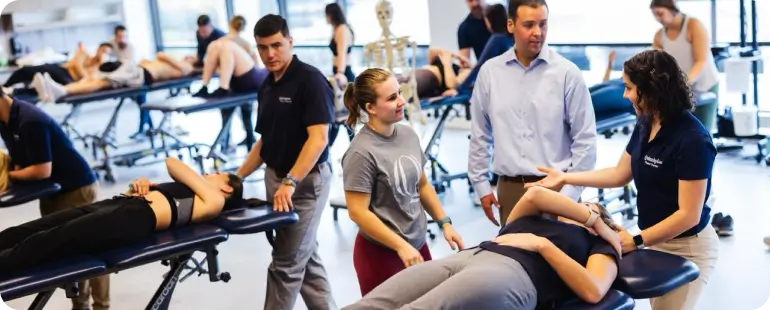
A DPT program’s curriculum covers a wide range of topics essential for professional clinical practice. Key subjects include kinesiology, neurophysiology, pathophysiology, advanced therapeutic exercises, advanced anatomy and use of prosthetics in rehabilitation settings. This coursework will give you a deep understanding of human movement dynamics, injury mechanisms and methods of rehabilitation.In addition to these core subjects, students participate in laboratory studies and gain hands-on experience through clinical work in the health sciences field. These are important as they tie academic learning to practical application in real-world clinical settings. The thoroughness of this approach is key to producing well-informed and skilled practitioners who can meet the diverse needs of their patients.
Clinical Education and Internships
Clinical education is a crucial part of the Doctor of Physical Therapy (DPT) program, allowing students to apply what they have learned in the classroom to real-world settings. The University of Washington is one such institution where students are immersed in multiple internships throughout their academic journey, to hone their skills including clinical reasoning and build their confidence for a successful future as physical therapists.
As part of these valuable learning experiences, students in physical therapy spend time in various healthcare environments like hospitals, outpatient clinics and rehabilitation centers where they provide patient care services. Being exposed to different settings and patient populations is important in producing versatile professionals who can navigate through many health-related challenges.
Licensure and Certification
Getting licensed as a physical therapist is required for anyone who wants to practice professionally in this field. Every state requires a license, which means passing the National Physical Therapy Examination (NPTE) and meeting specific requirements for each state’s licensure exam. This licensure process ensures that practicing physical therapists have the necessary skills and knowledge to provide safe and effective care to patients.
Next sections will go into detail about the NPTE and state-specific licensure exam requirements. Understanding these processes is important to navigate the certification journey and meet all the relevant requirements for legal practice as a physical therapist.
National Physical Therapy Examination (NPTE)
The National Physical Therapy Examination (NPTE) is a key benchmark in the certification process for physical therapists. This comprehensive exam tests a candidate’s knowledge and competencies for entry-level practice, covering subjects like principles of physical therapy, clinical science and patient management. Preparation for the NPTE requires familiarity with practice resources and understanding the format of the exam to maximize chances of passing.
Passing the NPTE is required to get licensed as a physical therapist, which allows you to practice professionally in this field. Focus on thorough study methods and repeated practice is key when preparing for this exam to ensure optimal performance.### State Licensure Requirements
Remember that each state has different licensure requirements for physical therapists but one common requirement across all states is to provide proof of education and training. To get your physical therapist license without any hiccups, it’s important to verify the specific requirements of your state and meet them. Not meeting these requirements may result to delays or rejection of your licensure application.
To practice legally as a physical therapist in your state, you must strictly adhere to its specific licensing mandates. You should gather all required documents and navigate the application process with accuracy and speed.
Advanced Training and Specializations
Improving clinical skills and patient outcomes can be achieved by taking advanced training in various physical therapy specialties. Structured learning experiences like residency and fellowship programs offer personalized mentoring that equips you with the expertise to excel in your chosen physical therapy career.
We will go into detail about both residency and fellowship programs and how to get board certified. Pursuing these advanced training paths not only enhances your professional development but also boosts your career as a physical therapist.
Residency and Fellowship Programs
After getting licensed, physical therapists have the option to take additional training and specialize through residency and fellowship programs. Residencies usually last one year and focus on imparting essential skills related to specific areas of practice. Fellowships on the other hand, delve deeper into subspecialties and offer more refined training for specific fields.
By completing either a clinical residency or fellowship program, you can significantly sharpen your clinical competencies, improve patient care and open up new avenues in your career. Being part of these programs also gives you access to mentorship resources and personal development within the field – all valuable benefits that help you become an exceptionally skilled and informed physical therapist.
Board Certification
Getting board certified is a high level of distinction in the physical therapy field, meaning higher level of proficiency in a chosen area of specialization. Board certified physical therapists achieve this by completing an accredited residency program, passing a specific exam for their specialty and meeting clinical practice hours. Not only does this certification enhance professional reputation but it also has the potential to improve job opportunities and higher earnings.Getting board certified shows commitment to lifelong learning and excellent patient care. It’s a prestigious credential that can impact your career as a physical therapist.
Career Opportunities and Job Outlook
The job prospects for physical therapists looks good with a 14% growth by 2033. This is driven by demographic shifts including an increasing number of older adults and a growing preference for non-opioid ways to manage pain. With the growing need for rehabilitation services, physical therapists will have plenty of job opportunities across different settings.
Next sections will go into the various work environments for physical therapists and provide data on salary and career progression. This will help you make informed decisions for your professional journey in physical therapy.
Employment Settings for Physical Therapists
Before:
Physical therapists have many possible work settings including hospitals, various clinics, sports training facilities and educational institutions. They can also be employed in outpatient centers, operate their private practices or provide rehabilitation services and home healthcare—a sector that’s growing with the increasing elderly population. This range of work environments allows physical therapists to choose an environment that suits their professional goals and interests.
After:
Physical therapy has many environments where practitioners can practice.
- Hospitals
- Various Clinics
- Athletic Training Facilities
- Educational Institutions
- Outpatient Centers
- Private Practices
- Rehabilitation Services
- Home Healthcare Agencies
This variety allows for alignment between individual physical therapists and their chosen workplaces.
In these many practice settings lies opportunities for many physical therapists to specialize in sports injury recovery, pediatric care, eldercare and others—adding depth and richness to careers in this field. The various specializations available reflects how the role of physical therapists varies within the broader scope of healthcare.
Salary and Job Growth
In 2024, the median annual salary for physical therapists was around $101,020. Salaries are influenced by the area of work, experience level and area of expertise within the field. There will be an average of 13,600 job openings for physical therapists over the next 10 years due to consistent demand.
The growing number of chronic diseases and an aging population that requires ongoing treatment contributes to this positive job outlook. So physical therapists can look forward to a secure and rewarding career with plenty of opportunities for professional development and career progression.## Financial and Aid
Pursuing a Doctor of Physical Therapy (DPT) degree is a big financial investment. The total cost of a DPT program can exceed $180,000 including tuition, fees and other expenses over several semesters. There are many financial aid options available to help students with these expenses. It’s important to file federal financial aid forms like the FAFSA as early as possible to get assessed for aid and loans.
Students may be eligible for scholarships that can reduce the total cost of a physical therapy program by up to $90,000. There are other scholarships that are need and merit based. These require an individual application process.
Knowing the cost of a physical therapy degree and the financial aid options available is crucial for individuals considering this educational path so they can make informed decisions about their future studies.
Summary
Becoming a physical therapist in 2025 requires an intense educational commitment, hands-on experience and successful completion of all licensing requirements. The process includes getting an undergraduate degree, choosing an accredited DPT program that fits your goals, completing the program’s coursework and passing the licensure exams – each step is important in becoming a competent physical therapist. Pursuing expertise through advanced training can also enhance clinical skills and open up job opportunities in many settings.
The job market for physical therapists is expected to grow and offers good salaries and job prospects. For those who are committed to getting the education, managing their finances well during this period and dedicating themselves to professional development opportunities, this career path promises not only personal fulfillment but significant impact on patient outcomes. This profession allows individuals to achieve their own goals while making a positive impact on others’ quality of life.
FAQs
What are the educational requirements to become a physical therapist?
To become a physical therapist you must first get a bachelor’s degree and then a Doctor of Physical Therapy (DPT) degree from an accredited program.
This educational pathway is key to a successful physical therapy career.
What is the National Physical Therapy Examination (NPTE)?
The National Physical Therapy Examination (NPTE) is a critical exam that tests the essential knowledge and skills for entry-level physical therapists.Passing this exam is required to get licensed.
How much does a DPT program cost?
The total cost of a Doctor of Physical Therapy (DPT) program can exceed $180,000 including tuition, fees and other expenses.
Scholarships and financial aid can help with these costs.
Where do physical therapists work?
Physical therapists work in hospitals, outpatient clinics, private practices, rehabilitation centers and home healthcare agencies.
With growing demand this is a good career.
How do I get board certified in physical therapy?
To get board certified in physical therapy you must complete an accredited residency program, pass a specialty exam and meet clinical hour requirements.
This ensures you have the expertise and qualifications in your field.


