Physical therapists help with mobility, pain and recovery from injuries. Learn what a physical therapist does, how to become one, the work environments and the growing career opportunities in this essential healthcare field.

Key Points
- Physical therapists diagnose and treat movement limitations, develop individualized recovery plans and work with other healthcare professionals to increase mobility and reduce pain.
- The career path includes a Doctor of Physical Therapy (DPT) degree and clinical residency for advanced training to equip practitioners with specialized skills for different conditions.
- The job outlook for physical therapists is good with 11% growth from 2024 to 2034 and a median annual salary of $101,020 driven by an aging population and increasing prevalence of chronic health conditions.
Physical Therapist Role
The role of a physical therapist is to diagnose patients, develop individualized recovery plans and treat movement limitations. They assess movement and pain to create individualized treatment strategies often working with other healthcare professionals for comprehensive care.
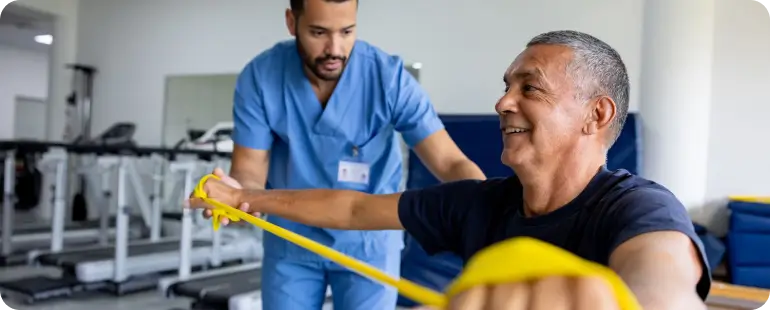
Physical therapists use techniques like exercise, manual therapy and heat or ice modalities to treat patients in a physical therapy clinic. They want to improve physical function, reduce pain and increase overall mobility in the musculoskeletal system through hands-on therapy to ease patients’ pain. Regular evaluations of patient progress allows for refining and adjusting physical therapy treatment plans as needed.
Documenting patient progress ensures treatment plans are effective and allows for necessary adjustments. Physical therapists treat conditions like brain injuries, musculoskeletal issues and cardiac problems, each patient gets individualized care.

Work Environments for Physical Therapists
Physical therapists work in various settings:
- Private clinics
- Hospitals
- Outpatient rehabilitation centers
- Nursing homes
- Home health agencies. The services offered by physical therapists vary.
This allows them to choose settings that fit their interests and career goals.
Outpatient clinics and rehabilitation centers are common work environments for healthcare professionals, where they get to work with patients recovering from surgery and prescription drugs, injuries or chronic conditions. Home healthcare settings also provide one on one patient interaction. Fitness and wellness programs, sports and fitness facilities and private practices are popular choices physical therapists choose, so they can focus on preventive care, sports medicine and overall wellness. In any setting they help with health, physical function and quality of life, including access to fitness facilities and promoting active lifestyles while developing fitness.
Educational Path to Become a Physical Therapist
To become a physical therapist you start with a Doctor of Physical Therapy (DPT) degree from an accredited program.
The educational path includes undergraduate education, DPT programs and clinical residency.
Undergraduate Education
Undergraduate education lays the foundation for a successful career in physical therapy. High school students should focus on specific undergraduate courses in science like biology, anatomy and physiology which is the basis for advanced studies.
To get into DPT programs students need a bachelor’s degree that includes courses like:
- Anatomy
- Physiology
- Biology
- Chemistry
- Physics These courses ensure they have the knowledge and skills to succeed.
DPT Program
The Doctor of Physical Therapy (DPT) program is an intensive educational experience that prepares physical therapy students for clinical practice. Most physical therapy programs combine classroom learning with hands-on clinical education, about 77% of the program is didactic. Physical therapist programs also emphasize the importance of practical experience in developing skilled professionals.
Students engage in theoretical learning and practical clinical rotations. The curriculum includes courses in anatomy, physiology, biomechanics and pharmacology along with hands-on training. Clinical rotations lasting 22 to 38 weeks allow students to apply their knowledge in real world settings, culminating in their final clinical experience.
DPT programs ensure graduates are workforce ready, combining classroom learning and hands-on clinical training to equip students with the skills to diagnose, treat and manage various conditions, similar to most dpt programs.
Clinical Residency
After completing a DPT program many physical therapists pursue a clinical residency, for advanced training in areas like orthopedics, geriatrics and sports medicine. This training enhances clinical skills and provides mentorship.
Residency programs develop clinical expertise in specific areas, so physical therapists can refine skills and gain deeper medical knowledge, important for those who want to specialize and excel in particular fields, to provide better patient care.
Career Opportunities and Specializations
Physical therapists have many career opportunities and specializations such as:
- Sports medicine
- Geriatrics
- Pediatrics Cardiovascular and pulmonary physical therapy. Physical therapists specialize in these specializations to focus on specific patient populations and conditions.
Residencies and fellowships provide specialized training, so physical therapists can develop the skills and knowledge to excel. For example geriatric physical therapists address arthritis and osteoporosis, pediatric therapists developmental issues in children.
Cardiovascular and pulmonary therapists work with patients recovering from surgery. These specializations increase career prospects and allow therapists to provide more targeted care.
Job Outlook and Salary
The job outlook for physical therapists is good, with demand expected to grow significantly. Estimated job openings are around 13,200 per year, driven by the aging baby boomer population and increasing prevalence of chronic health conditions.
The job growth rate for physical therapists is 11% from 2024 to 2034, much faster than the average for all occupations. This is a great market for new grads and experienced therapists.
The median annual salary for physical therapists is $101,020 as of May 2024. Salaries vary greatly based on experience, specialization and location, with the lowest 10% earning less than $74,420 and the highest 10% earning over $132,500.
Day-to-Day
A day in the life of most physical therapists is challenging and rewarding. They spend a lot of time on their feet, working with patients in functional activities and exercises, so they need to be mindful of body mechanics to avoid injury.
Effective communication skills are key for physical therapists, who must:
- Clearly explain treatment plans
- Demonstrate exercises
- Motivate patients to follow rehabilitation programs
- Educate patients on proper body mechanics and injury prevention
Physical therapists document patient progress and adjust the treatment plan as needed to ensure optimal outcomes through an individualized care plan. This requires attention to detail and the ability to adapt to each patient’s unique needs and responses to treatment.
Continuing Education
Continuing education is important in physical therapy education. Physical therapists must complete continuing education courses to maintain state licensure exam, stay current with latest medical knowledge and treatment techniques to provide quality care.
Many physical therapists pursue clinical residency programs for advanced training in specific specializations. These board certified clinical specialists programs provide mentorship and professional growth opportunities so therapists can stay current in their field.* Increased strength, flexibility and mobility for better physical performance and overall health
- Management of symptoms from various health conditions
- Prevention of injuries
- Recovery from surgery
Therapy sessions can be tailored to individual needs, whether short term or chronic condition management. Physical therapists use manual therapy and exercise to relieve pain, manage pain, manage symptoms and restore function as part of a comprehensive recovery and recovery plan.
Specializations like sports medicine and women’s health physical therapy address specific patient populations and conditions, providing targeted care and improving quality of life. The aging population drives demand for physical therapy, increasing the incidence of conditions that require rehabilitation.
Conclusion
In summary a career in physical therapy offers a unique combination of challenges and rewards. From the diverse work environments and specializations to the good job outlook and competitive salaries, physical therapy is a great profession. The educational path is tough but prepares aspiring therapists to provide great care and make a real difference in their patients’ lives.
Whether you’re a student considering this career or looking for a change, the journey to becoming a physical therapist is worth it. With dedication and passion you can have a rewarding career that makes a real difference.
FAQs
What are the educational requirements to become a physical therapist?
To become a physical therapist one must complete a Doctor of Physical Therapy (DPT) degree from an accredited program, after completing a bachelor’s degree that includes specific prerequisite courses.
Where do physical therapists work?
Physical therapists work in hospitals, private practices, outpatient rehabilitation centers, nursing homes and home health agencies. These diverse settings allow them to work with patients at all stages of recovery.
What is the job outlook for physical therapists?
The job outlook for physical therapists is good, 11% growth from 2024 to 2034 with 13,200 job openings per year. This is a great market for new grads and experienced therapists.
How long does it take to complete a DPT program?
A Doctor of Physical Therapy (DPT) program takes about 3 years to complete, including classroom instruction and clinical education.
What are the benefits of physical therapy?
Physical therapy increases strength, flexibility and mobility, manages health conditions and aids in surgical recovery. It plays a big role in injury prevention and overall physical well being.


